
Preparing for an Overseas Move: Your Step-by-Step Guide
There are so many details to manage your relocation overseas, from paperwork to packing, and it’s easy to feel lost. I’ve been through this process myself, and I want to share practical advice to help you prepare for your overseas move with confidence. Taking it step by step will make the journey smoother and less stressful.
Getting Started with Preparing for an Overseas Move
The first thing to do is plan early. Give yourself plenty of time to organise everything. Start by making a checklist of all the tasks you need to complete. This will help you stay on track and avoid last-minute panic.
Here are some key steps to begin with:
Research your destination: Learn about the culture, climate, and local customs. This will help you adjust more easily once you arrive.
Check visa and immigration requirements: Make sure you understand what documents you need and how long the process takes.
Create a budget: Moving abroad can be costly. Include expenses like flights, shipping, temporary accommodation, and any unexpected fees.
Notify important parties: Inform your employer, bank, and any subscription services about your move.
Taking these initial steps early will give you a solid foundation for the rest of your preparations.

Organising Your Documents and Legal Requirements
One of the most important parts of preparing for an overseas move is getting your paperwork in order. Without the right documents, your move could be delayed or complicated.
Here’s what you should focus on:
Passport and visas: Ensure your passport is valid for at least six months beyond your planned stay. Apply for the necessary visa well in advance.
Health documents: Some countries require vaccinations or health certificates. Check the requirements and schedule appointments early.
Insurance: Arrange health insurance that covers you abroad. Also, consider travel insurance for the moving period.
Important personal documents: Gather birth certificates, marriage certificates, academic records, and any other documents you might need.
Driving licence: If you plan to drive, check if your current licence is valid or if you need an international driving permit.
Keep all these documents organised in a dedicated folder or digital file. Having everything accessible will save you time and stress.
Packing Smartly for Your New Home
Packing for an overseas move is different from a local move. You need to think carefully about what to take, what to sell or donate, and how to pack efficiently.
Here are some tips to help you pack smartly:
Declutter: Moving is a great opportunity to get rid of things you no longer need. Sell, donate, or recycle items to lighten your load.
Make an inventory: List everything you plan to take. This will help with customs declarations and insurance.
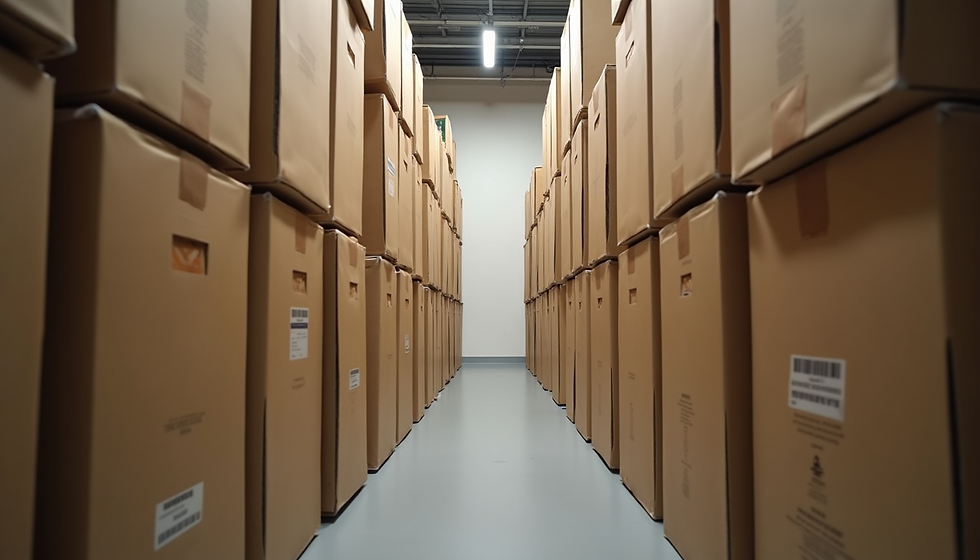
Choose the right packing materials: Use sturdy boxes, bubble wrap, and packing tape. Label each box clearly with its contents and destination room.
Pack essentials separately: Prepare a suitcase with clothes, toiletries, important documents, and any items you’ll need immediately after arrival.
Consider shipping options: Depending on your budget and timeline, you might choose air freight for speed or sea freight for cost savings.
Remember, packing well will protect your belongings and make unpacking easier.

Managing Your Finances and Banking Abroad
Handling your finances is a crucial part of preparing for an overseas move. You want to avoid any surprises and ensure you can access your money easily.
Here’s what to do:
Notify your bank: Let your bank know about your move to avoid your cards being blocked for suspicious activity.
Open a local bank account: Research banks in your new country and open an account if possible before you arrive.
Understand currency exchange: Keep an eye on exchange rates and consider transferring money when rates are favourable.
Set up online banking: This will help you manage your finances from anywhere.
Budget for initial expenses: Have enough funds available for deposits, rent, utilities, and daily costs during your first weeks.
Being financially prepared will give you peace of mind and help you settle in faster.
Settling In and Adjusting to Your New Life
Once you arrive, the real adventure begins. Settling into a new country takes time, but there are ways to make the transition smoother.
Try these strategies:
Register with local authorities: Some countries require you to register your address or obtain a residence permit.
Find local services: Locate nearby supermarkets, healthcare providers, and public transport options.
Connect with the community: Join local groups or expat communities to make friends and get support.
Learn the language: Even basic language skills can make a big difference in daily life.
Stay organised: Keep track of important dates, appointments, and documents.
Remember, it’s normal to feel a bit out of place at first. Give yourself time to adjust and celebrate small victories along the way.
Taking the Next Step with Confidence
Preparing for an overseas move is a big task, but breaking it down into manageable steps makes it achievable. From planning and paperwork to packing and settling in, each stage is important.
If you want to simplify the process of moving overseas, consider using online platforms that offer transparent quotes and helpful resources. This can save you time and reduce stress.
With careful preparation and a positive mindset, your international relocation can be a rewarding new chapter. Take it one step at a time, and soon you’ll be enjoying your new home abroad.

Comments